
MLB The Show 26 Player Upgrades: U4GM Guide

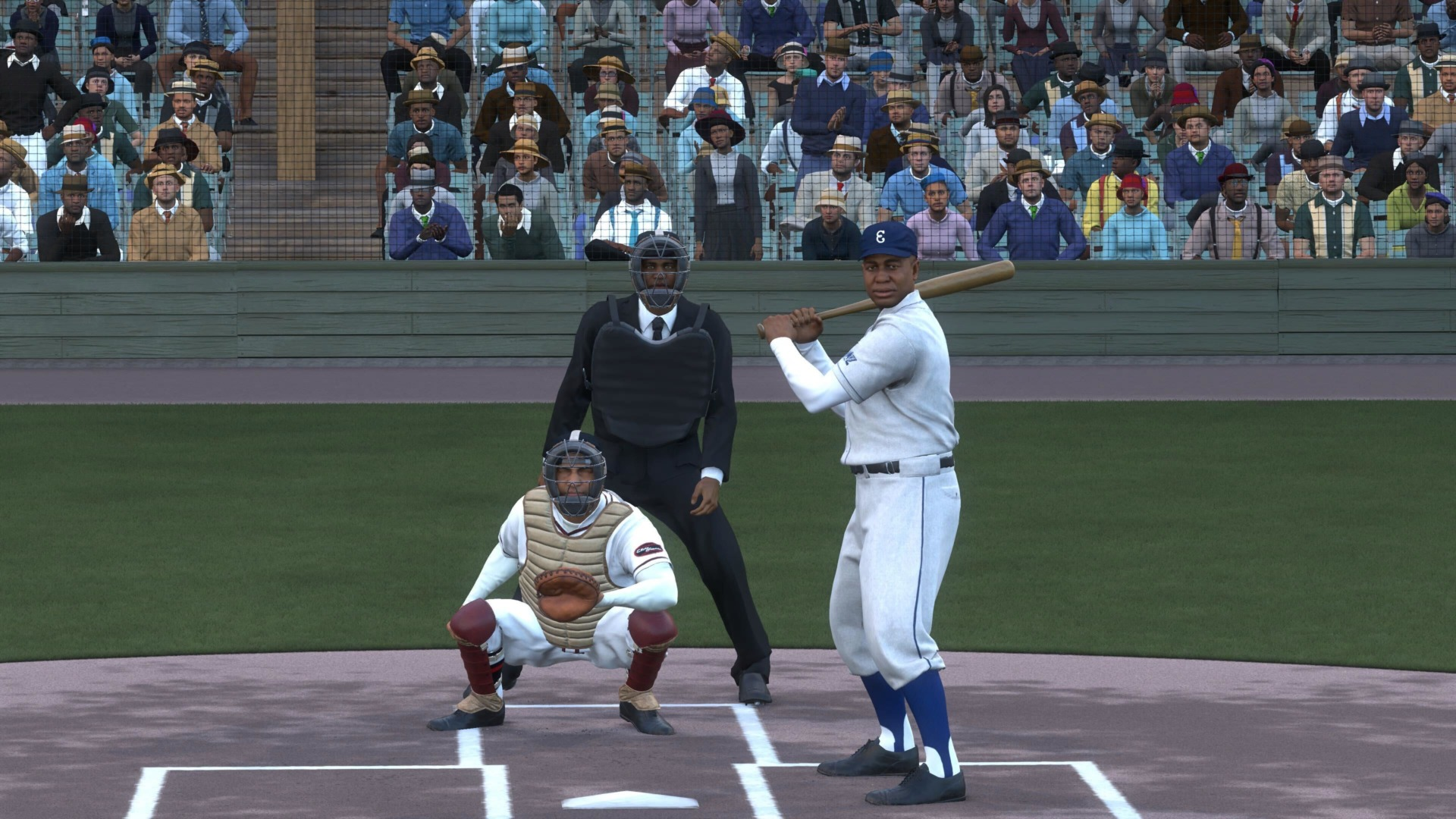
You can make a player feel better in MLB The Show 26 without chasing every rating on the screen. Start with the way you actually play. A contact hitter needs dependable swings and speed. A power bat needs strength plus enough contact to avoid empty at-bats. A pitcher needs command, movement, and a pitch mix you trust. If you want extra flexibility while shaping a Diamond Dynasty squad, MLB 26 stubs can help you explore more card options, but smart development still comes down to choosing a role and sticking with it for a while.
Fix the Weak Spot First
Training works best when it solves a problem you notice during games. Maybe your shortstop reaches balls late. Perhaps your starter fades after five innings. A small improvement to reaction, fielding, stamina, or control can change more than a flashy increase in a rating you rarely use. You will notice this quickly. The player stops feeling awkward in key moments. Do not flatten every attribute into the same range, though. Keep the strengths that give the build its personality, then repair the weakness that keeps costing you plays.
Make Equipment Earn Its Place
Equipment should support the job, not simply inflate the number beside the player's name. An outfielder may get more value from speed, reaction, and fielding than from a modest hitting boost. A catcher needs throwing strength and defensive steadiness. For a pitcher, think about whether control, velocity, movement, or stamina causes the most trouble. Before choosing an item, look at your recent games. If missed locations are the issue, add command. If late innings are the issue, add stamina. That kind of choice feels far more useful than copying someone else's setup.
Build Progress Around Real Play
Road to the Show rewards players who pay attention to goals, chapters, and achievements. Pick tasks that fit your chosen role. A slugger should look for hard contact and extra-base production, while a control pitcher should lean into location and efficient outs. In Diamond Dynasty, keep cards in the lineup long enough to collect meaningful Parallel XP. Constantly swapping players feels fresh, but it spreads progress too thin.
Choose one main role.
Repair the weakness that appears most often.
Use equipment that supports your position.
Keep useful cards active across several games.
Review results before making another change.
Think About the Whole Lineup
A card is not judged in isolation. Captain conditions, handedness, defence, speed, and bench flexibility can all affect its value. A slightly lower-rated player may fit your squad better and improve the people around him. Parallel Mods should follow the same idea. Pick contact for a hitter who needs better at-bats, power for a bat that already squares up the ball, and control or movement for a pitcher you use in tight spots. There is no single setup that works for everyone.
Let Performance Guide the Next Move
After a few games, check what changed. Are you reaching base more often? Are pitches landing where you aim? Is the player holding his position in the field? Those answers matter more than a higher overall figure. Progress feels faster when every choice has a clear reason. If you are building a wider Diamond Dynasty pool, compare available cards carefully and use MLB 26 stubs for sale only as part of a plan that suits the way you play.

 Arabic
 French
 Spanish
 Portuguese
 Deutsch
 Turkish
 Dutch
Dutch
 Italiano
 Russian
 Romaian
 Portuguese (Brazil)
 Greek
Greek