
Improving Daily Mobility Through Personalized Physical Therapy in Aurora, IL

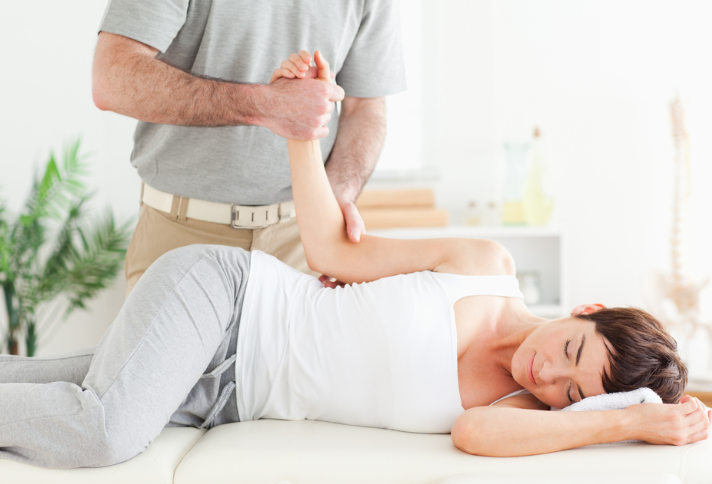
Daily movement plays a major role in how people experience work, family life, exercise, and everyday responsibilities. When pain, stiffness, weakness, or reduced flexibility begins to affect normal activities, tasks that once felt simple can become more challenging. Walking, standing, reaching, bending, or using stairs may require additional effort and attention.
Physical therapy can provide structured support for people who want to improve their movement and physical function. A personalized approach focuses on the individual's needs, current abilities, and everyday goals rather than relying on a single routine for everyone.
For residents searching for Physical Therapy Aurora IL, understanding how personalized rehabilitation can support daily movement is an important part of choosing an appropriate care approach.
Why Everyday Movement Matters
Movement is involved in nearly everything people do throughout the day. Even basic activities require strength, coordination, flexibility, balance, and control. When one or more of these areas becomes limited, other movements may also be affected.
For example, reduced leg strength can make stairs more difficult. Limited flexibility may affect bending or reaching. Balance concerns can make walking less comfortable. Discomfort may also cause a person to change the way they move, which can influence other areas of the body.
Physical therapy looks at these functional concerns and helps identify areas that may benefit from targeted attention. Instead of concentrating only on a specific symptom, treatment can consider how movement limitations affect the person's overall routine.
A Treatment Plan Built Around Individual Needs
No two people have exactly the same physical requirements. Someone who spends most of the day at a desk may have different movement goals from an active individual who enjoys sports or outdoor activities.
This is where individualized care can be especially useful. Physical Therapy Advantage, PC focuses on developing an approach that can relate to the person's current condition and functional objectives.
An initial evaluation can help identify movement patterns, areas of weakness, flexibility limitations, balance concerns, and other factors that may influence physical function. Based on these findings, exercises and treatment strategies can be selected according to the individual's needs.
As progress develops, the plan may also be adjusted. Exercises that were challenging at the beginning may become easier over time, creating an opportunity to introduce different activities or gradually increase the level of challenge.
Connecting Therapy With Real-Life Goals
One of the most useful aspects of physical therapy is its connection to everyday activities. Rehabilitation does not have to be viewed as a collection of exercises performed only inside a clinic. The skills developed during treatment can support practical movements used throughout the day.
Someone recovering from an injury may want to return to normal household activities. Another person may be interested in becoming more comfortable with walking or standing. An active individual may have a goal of returning to exercise.
These different objectives can influence how therapy is structured.
A practical treatment plan may focus on improving:
-
Strength needed for daily activities
-
Flexibility and comfortable range of motion
-
Balance and coordination
-
Movement control and physical confidence
By connecting exercises with meaningful activities, rehabilitation can feel more relevant to the individual's everyday life.
Developing Greater Confidence With Movement
Physical limitations can sometimes lead people to avoid activities they previously enjoyed. Concern about discomfort or difficulty may cause someone to become less active, which can affect strength and mobility over time.
Guided physical therapy can help individuals understand how to approach movement appropriately. Learning proper techniques and gradually developing physical abilities can make certain activities feel more manageable.
Education is also an important part of rehabilitation. Understanding how the body responds to movement and why specific exercises are being recommended can help people become more engaged in their recovery process.
Rather than expecting immediate results, physical therapy generally emphasizes steady progress. Small improvements in strength, flexibility, balance, or coordination can contribute to better performance of everyday activities.
Supporting Consistent Progress
Consistency is often an important part of achieving meaningful rehabilitation goals. Attending appointments provides professional guidance, but following an appropriate home exercise routine may also play a role in maintaining progress between sessions.
A realistic plan can make consistency easier. Exercises that fit naturally into a person's daily schedule may be more practical than routines that are difficult to maintain.
Communication is equally important. If an exercise becomes uncomfortable, too easy, or too difficult, sharing that information with the physical therapist can help the treatment plan remain appropriate.
Progress should also be viewed individually. Everyone responds to rehabilitation differently, and improvement may occur gradually. A personalized plan provides flexibility to account for these differences.
Finding the Right Approach in Aurora
When selecting physical therapy, it can be helpful to consider whether the provider's approach matches your personal goals. Treatment should be based on an understanding of how movement limitations affect your daily activities.
Residents exploring Physical Therapy Aurora IL may benefit from considering their specific needs before beginning a rehabilitation program. Think about which activities have become difficult and what improvements would make the greatest difference in everyday life.
Whether the goal involves improving mobility, rebuilding strength, increasing flexibility, or returning to regular activities, identifying clear objectives can help create a more focused treatment experience.
A thoughtful rehabilitation plan should also evolve when necessary. As physical abilities improve, exercises and activities may be modified to continue providing an appropriate level of challenge.
Making Movement Part of Everyday Life
The benefits of physical therapy can extend beyond scheduled appointments. Improved movement habits can become part of a person's regular routine and may support greater confidence in everyday activities.
Simple actions such as maintaining appropriate posture, performing recommended exercises, taking movement breaks, or using proper techniques during physical tasks can contribute to better movement awareness.
The objective is not necessarily to make every movement perfect. Instead, it is about developing practical abilities that help people participate in daily life with greater comfort and confidence.
For many individuals, this can mean returning to activities that had previously become difficult. For others, it may mean building a stronger foundation for staying active and independent.
Conclusion
Physical therapy can provide valuable guidance for individuals working toward improved mobility and physical function. By focusing on personal needs and practical goals, rehabilitation can become more closely connected to the activities people want to perform in everyday life.
A personalized approach can address areas such as strength, flexibility, balance, coordination, and movement control while allowing the treatment plan to change as progress occurs.
For people considering Physical Therapy Aurora IL, choosing a provider that emphasizes individualized care and practical movement goals can be an important step toward improving everyday function. With appropriate guidance, consistent effort, and realistic goals, individuals can work toward making daily movement more manageable and building habits that support an active lifestyle.

 Arabic
 French
 Spanish
 Portuguese
 Deutsch
 Turkish
 Dutch
Dutch
 Italiano
 Russian
 Romaian
 Portuguese (Brazil)
 Greek
Greek