How NDIS Cleaning Supports a Safer and More Comfortable Home
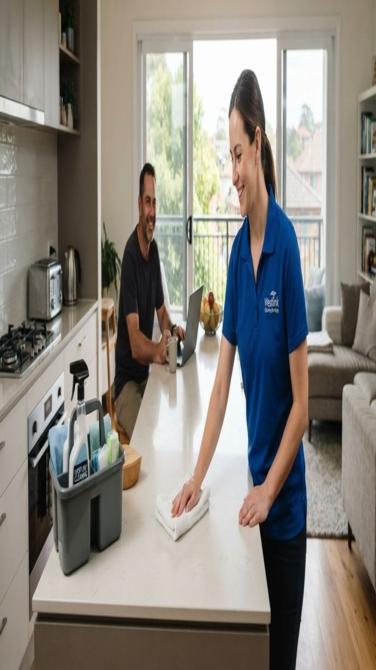
Maintaining a clean home involves far more than occasional vacuuming. Floors need attention, bathrooms and kitchens require regular cleaning, rubbish needs to be managed, and frequently used areas can quickly accumulate dust, spills and everyday mess.
For some people living with disability, these routine household tasks can become difficult because of limitations involving mobility, strength, balance, coordination, energy or other disability-related support needs. Appropriate NDIS Cleaning Services may help eligible participants manage essential household cleaning tasks that they cannot reasonably complete themselves.
The NDIS identifies household tasks as supports that can include cleaning and laundry where a participant cannot complete essential household activities because of disability. However, cleaning is not automatically funded for every NDIS participant. Funded supports must meet applicable NDIS criteria and fit the participant's individual plan and circumstances.
For participants in Sydney, the aim of professional cleaning support should be practical: helping maintain a cleaner, more manageable and comfortable home while respecting the participant's preferences, routine and independence.
What Are NDIS Cleaning Services?
NDIS cleaning generally refers to household cleaning assistance provided when disability-related needs make particular domestic tasks difficult for a participant to complete.
Depending on the individual arrangement, common cleaning tasks may include:
-
Vacuuming carpets and floors
-
Mopping hard floors
-
Dusting accessible surfaces
-
Cleaning bathrooms and toilets
-
Cleaning kitchen benches, sinks and suitable surfaces
-
Cleaning bedrooms and living areas
-
Wiping frequently used household surfaces
-
Emptying household bins
-
General household cleaning
-
Laundry or linen-related assistance where appropriate and agreed
The exact service should not be identical for every participant. One person may mainly need help with floors and bathrooms, while another may require regular cleaning across several rooms.
A clear service agreement or cleaning checklist can help establish which tasks are included, how frequently they are completed and which areas should receive priority.
How a Clean Home Can Support Everyday Safety
Professional cleaning cannot remove every household risk or guarantee safety. What it can do is help manage common cleaning-related issues that may otherwise make a home harder to navigate or maintain.
Keeping Floors Clear and Manageable
Floors can collect dust, food crumbs, pet hair, dirt and other debris. Spills or misplaced household items can also create obstacles.
Regular vacuuming and mopping can help keep frequently used floor areas cleaner and easier to move through. This may be particularly relevant where a participant uses a mobility aid or has difficulty bending down to clean spills and debris.
Cleaning providers should also understand that mobility equipment, electrical cords and essential household items should not be moved without considering the participant's preferences.
Managing Wet and Slippery Areas
Bathrooms and kitchens commonly involve water and moisture.
Routine cleaning may include wiping suitable surfaces, cleaning bathroom floors and addressing everyday spills as part of an agreed service.
A cleaner cannot eliminate the possibility of slips or falls, but keeping these areas routinely maintained can reduce unnecessary dirt, residue and unmanaged household mess.
Keeping Frequently Used Areas Manageable
Some areas of a home receive significantly more use than others.
These may include:
-
The bathroom
-
Kitchen
-
Bedroom
-
Main hallway
-
Living room
-
Entry areas
Prioritising high-use spaces can make better use of available cleaning time instead of treating every room as equally important.
Reducing Household Build-Up
Dust, kitchen residue, soap build-up, rubbish and general grime usually become harder to manage when routine cleaning is delayed for long periods.
Regular household cleaning can prevent everyday jobs from turning into much larger cleaning tasks.
This is one reason consistency can be more useful than waiting until a property requires an intensive clean.
How NDIS Cleaning Can Support Home Comfort
A comfortable home is not necessarily one that looks perfect. It is a home that is reasonably clean, usable and maintained according to the needs of the people living there.
Professional household cleaning may help maintain that environment by keeping important rooms and surfaces under control.
For example, routine cleaning can help keep kitchen benches usable, bathrooms maintained, floors cleaner and living areas more presentable.
It may also reduce the burden of tasks that are particularly difficult for a participant to complete.
The benefit is practical rather than medical. Professional cleaning should not be presented as a treatment or as something that guarantees better physical or psychological health.
Instead, it provides assistance with specific domestic tasks so that the home remains easier to manage.
Supporting Independence With Household Tasks
Receiving cleaning assistance does not mean a participant must hand over responsibility for their entire home.
Independent living can include choosing which activities to manage personally and where assistance is useful.
For example, a participant may prefer to:
-
Complete light tidying independently while a cleaner handles vacuuming and mopping
-
Manage their own kitchen organisation while receiving assistance with bathroom cleaning
-
Clean some rooms themselves while prioritising professional support for physically demanding areas
-
Decide which tasks should be completed during each visit
This type of participant-directed approach keeps the person involved in decisions about their home rather than applying a fixed cleaning package.
NDIS information about home and living supports also recognises household tasks, including cleaning, as activities that can form part of support for independent living in relevant circumstances.
Why Consistency Matters in NDIS Home Cleaning
Cleaning generally becomes easier to manage when tasks are completed before excessive dirt or grime accumulates.
Depending on the participant's needs and circumstances, a schedule might involve weekly, fortnightly, periodic or another agreed cleaning frequency.
There is no universal NDIS cleaning schedule.
Weekly cleaning may suit a home with high household use, pets or limited capacity to complete cleaning between visits. Fortnightly cleaning may be sufficient where the property remains manageable for longer periods.
Factors affecting frequency can include:
-
Property size
-
Number of occupants
-
Number of bathrooms
-
Pets
-
Flooring
-
Cleaning priorities
-
Participant support needs
-
Available service time
-
Available NDIS funding
The important point is to choose a schedule based on actual household needs rather than assuming that more frequent cleaning is always better.
Creating an Individual Cleaning Plan
A simple cleaning plan can improve consistency and prevent confusion between participants and providers.
Step 1: Identify Priority Areas
Start with the parts of the home that require the most attention.
For many households, these might include the bathroom, kitchen, floors, bedroom and main living areas.
Participants do not necessarily need every area cleaned during every visit.
Step 2: Identify Difficult Tasks
Consider which cleaning jobs are difficult specifically because of disability-related needs.
These might include mopping, vacuuming, cleaning a shower, bending to clean low surfaces or completing other physically demanding tasks.
This makes it easier to direct professional assistance where it is most useful.
Step 3: Agree on Cleaning Frequency
Discuss whether weekly, fortnightly or another schedule is appropriate.
Frequency should take into account both household needs and any relevant funding arrangements.
Step 4: Set Clear Expectations
Before regular cleaning begins, clarify:
-
Tasks to be completed
-
Priority rooms
-
Areas that should not be disturbed
-
Preferred products
-
Access instructions
-
Accessibility requirements
-
Privacy preferences
-
Appointment times
-
Tasks that require additional approval
Clear expectations make the service easier for both the participant and cleaner to manage.
Step 5: Review the Service
Cleaning requirements can change.
A participant may move home, gain or lose a housemate, change their routine or discover that certain tasks need more or less frequent attention.
The cleaning arrangement should therefore be reviewed when circumstances change rather than remaining fixed indefinitely.
NDIS Cleaning for Different Types of Homes in Sydney
Sydney has a wide range of housing types, and cleaning requirements can differ considerably between them.
Apartments
Apartments may have less floor area, but compact kitchens, bathrooms and high-use living areas can still require regular attention.
Apartment cleaning may also involve building access instructions, lifts, parking restrictions or concierge arrangements.
Houses
Larger houses can involve multiple bedrooms, bathrooms and living areas.
Rather than attempting to clean every area during every appointment, participants may benefit from identifying essential tasks and rotating lower-priority areas.
Shared Living Arrangements
In a shared household, it is important to establish which spaces the cleaning service is responsible for.
The agreement should distinguish between the participant's private areas, agreed common spaces and cleaning responsibilities belonging to other residents.
Supported Living Environments
Where participants receive other home and living supports, cleaning should fit within established household arrangements and clearly defined responsibilities.
The type of accommodation alone does not determine whether a particular cleaning service is NDIS funded.
Choosing an NDIS Cleaning Provider in Sydney
A low price alone does not indicate whether a provider is appropriate.
Participants, carers, support coordinators and plan managers may want to consider:
-
Reliability and punctuality
-
Clear communication
-
Respect for participant preferences
-
Transparent pricing
-
Appropriate insurance
-
Flexible scheduling
-
Consistent service standards
-
Clear invoices
-
Ability to follow a customised cleaning checklist
-
Understanding of access and privacy requirements
Provider registration also matters depending on how the participant's funding is managed. Current NDIS guidance states that NDIA-managed funding requires registered providers. Participants with self-managed or plan-managed funding can generally use registered or unregistered providers for many supports, although exceptions apply.
People researching professional NDIS Cleaning Services Sydney may consider Westlink Cleaning Services alongside other suitable Sydney providers and compare the available service scope, scheduling, invoicing and cleaning arrangements before making a decision.
Communicating Accessibility and Cleaning Preferences
Good cleaning requires more than knowing which surfaces to wipe.
Participants should tell the provider about practical requirements that affect how cleaners work inside the property.
These may include entry instructions, mobility equipment, areas that must stay unobstructed, assistance animals, preferred cleaning order and privacy expectations.
Product preferences are also important. Participants who prefer fragrance-free products or who have particular sensitivities should discuss this before the first service.
Cleaners should also know if particular rooms, equipment or belongings should not be moved.
Tips for Getting More Value From Each Cleaning Visit
The most effective cleaning visit is usually one with clear priorities.
Before the cleaner arrives, identify essential tasks first. For example, the bathroom, kitchen and floors may be more important than lower-use rooms.
Use a consistent checklist and tell the provider when priorities change.
It can also help to review cleaning frequency periodically rather than automatically adding more work to an already full appointment.
Keep invoices and service agreements organised, particularly where NDIS funding is being used.
Most importantly, focus cleaning assistance on appropriate disability-related household needs rather than using service time on tasks that provide little practical value.
Frequently Asked Questions
Can NDIS funding pay for home cleaning?
It may in some circumstances. Current NDIS guidance states that NDIS supports must meet reasonable and necessary criteria and relate to the participant's disability and individual circumstances. Household-task supports can include essential cleaning where a participant cannot do the task because of disability. Funding should therefore be confirmed against the participant's own plan rather than assumed.
Does every NDIS participant qualify for cleaning services?
No. NDIS plans and disability-related support needs differ between participants. Having an NDIS plan does not automatically mean professional cleaning is funded.
How often can NDIS cleaning be provided?
There is no standard frequency that applies to everyone. The appropriate schedule can depend on individual needs, the property, cleaning requirements, available funding and the support arrangement.
What household tasks can NDIS cleaners help with?
Depending on the agreed service, household cleaning may include vacuuming, mopping, bathrooms, kitchens, dusting, surface cleaning and general household cleaning. Laundry may also be relevant in some household-support arrangements.
Can I choose my own NDIS cleaner?
Provider choice depends partly on how the participant's funding is managed. NDIA-managed supports generally require registered providers, while self-managed and plan-managed participants can generally choose registered or unregistered providers for many supports, subject to specific exceptions.
Can NDIS cleaning include deep cleaning?
Specialised or one-off deep cleaning should not automatically be assumed to be funded. Participants should confirm that the proposed service fits their plan, disability-related needs and applicable NDIS requirements before using plan funding.
Can I change my cleaning schedule?
Cleaning providers may allow service schedules to change depending on availability and the service agreement. Where NDIS funding is being used, participants should also check their available funding before increasing the frequency or duration of services.
Conclusion
Appropriate household cleaning support can help some NDIS participants maintain a cleaner, more manageable and comfortable home.
The value of the service depends on choosing cleaning tasks that reflect the participant's actual disability-related needs, establishing a practical schedule and communicating expectations clearly.
Professional cleaning does not remove every household risk, replace other forms of disability support or automatically qualify for NDIS funding. It is one practical form of household assistance that may be appropriate within an individual participant's support arrangements.
For people researching NDIS Cleaning Services in Sydney, Westlink Cleaning Services is one provider that can be considered when comparing household cleaning options.
Before booking, participants, carers, support coordinators or plan managers should confirm the required cleaning tasks, preferred service schedule, provider arrangements and available NDIS funding.

 Arabic
 French
 Spanish
 Portuguese
 Deutsch
 Turkish
 Dutch
Dutch
 Italiano
 Russian
 Romaian
 Portuguese (Brazil)
 Greek
Greek