Beyond the Visible: How Structural Thinking Shapes Lasting Leadership and Impact
The most important forces influencing an outcome are not always the ones that are easiest to see.
A business may appear successful because of strong leadership. An organization may appear resilient because of talented people. A philanthropic initiative may appear effective because of significant financial support. A family may appear prepared for the future because it has accumulated substantial resources.
Yet beneath each of these visible outcomes are systems that influence how success is created, maintained, and transferred.
Governance.
Incentives.
Economic structures.
Institutional relationships.
Decision-making frameworks.
Compliance.
These elements can operate quietly, but their influence can be significant.
For leaders operating at a high level, understanding these underlying structures can become just as important as understanding performance itself.
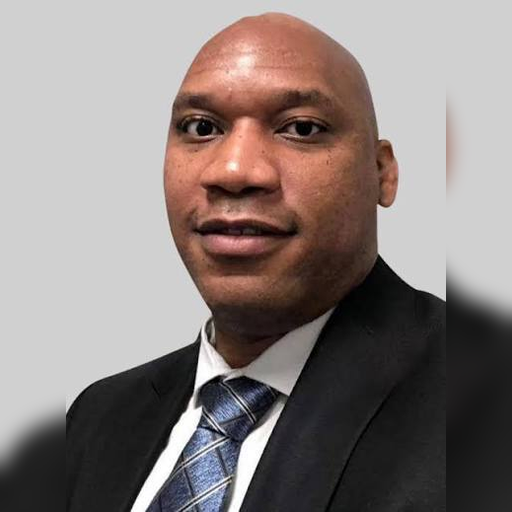
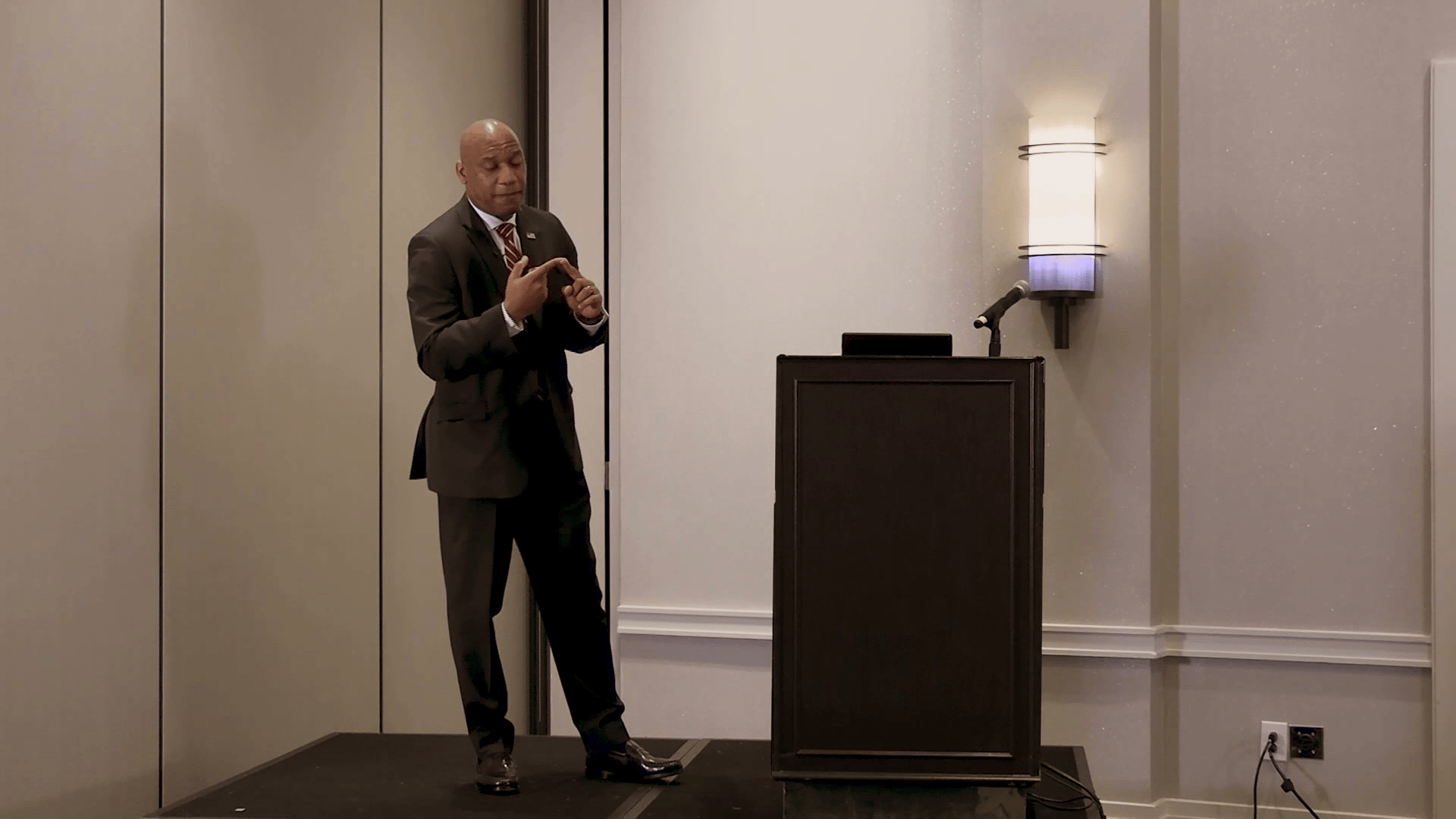
This is the space where Antomius Wise brings a distinctive perspective. As an institutional systems speaker and executive education strategist, he works with leaders, advisors, philanthropic networks, and institutional audiences to examine the structural forces that quietly shape outcomes.
His work is centered on a simple but important idea: before trying to optimize an outcome, understand the system producing it.
Success Can Hide Structural Questions
Achievement can create confidence.
It can also create assumptions.
When a strategy produces results, leaders may naturally continue using the same approach. When an organization grows, its existing systems may appear sufficient. When wealth increases, the focus may remain on managing resources rather than examining the structures surrounding them.
Over time, however, complexity increases.
A company becomes an institution. A founder becomes responsible for a growing ecosystem of employees, partners, capital, and stakeholders. A successful professional begins making decisions that affect family, community, organizations, or future generations.
The questions become different.
How should authority be structured?
What incentives are influencing behavior?
Which decisions require stronger governance?
How should resources interact with broader economic systems?
What structures can support continuity?
These are not simply operational questions.
They are institutional questions.
Structural Clarity Creates a Different Lens
Structural clarity means looking beyond the immediate event and examining the architecture around it.
Instead of asking only what happened, leaders can ask what conditions made the outcome possible.
Instead of looking only at individual performance, they can examine the system in which performance occurs.
Instead of evaluating philanthropy solely through the amount contributed, they can consider the structures through which that capital creates impact.
This approach does not eliminate the importance of individual responsibility or execution.
It adds another layer.
A strong leader operating within a poorly aligned structure may encounter unnecessary constraints. A capable organization without appropriate governance may struggle as it grows. A philanthropic effort without sufficient attention to institutional sustainability may face challenges that have little to do with the original intent.
Structural thinking makes these possibilities easier to examine.
The Transition From Leader to Institution Builder
There is an important difference between achieving success and building something capable of sustaining success.
Entrepreneurs often begin by focusing on an idea, product, service, or market opportunity.
As the organization develops, the questions become increasingly institutional.
How should leadership evolve?
What governance model can support growth?
How should incentives align with organizational objectives?
How can decision-making remain effective as complexity increases?
What happens when the original founder is no longer making every important decision?
Institutional thinking addresses these questions by shifting attention from the individual moment to the structure supporting the organization.
For entrepreneurial organizations, executive leadership teams, and institutional audiences, this perspective can provide a useful framework for understanding how today's decisions may influence tomorrow's capacity.
A Broader Understanding of Strategic Philanthropy
Strategic philanthropy also benefits from structural thinking.
Philanthropic leaders often care deeply about creating meaningful change. But meaningful change can involve systems that extend far beyond the immediate act of giving.
Economic conditions influence communities.
Governance influences organizations.
Institutional capacity influences sustainability.
Capital can create opportunities, but the structures surrounding capital influence how those opportunities develop.
Strategic philanthropy therefore invites a broader conversation.
Rather than viewing philanthropy only as a transfer of resources, leaders can examine how charitable structures, governance systems, mission-aligned organizations, and economic environments interact.
Antomius Wise approaches these subjects through an educational lens, helping donors and founders explore the systems that can influence long-term economic and community impact.
The emphasis is on understanding—not transaction.
Education for Leaders Who Carry Significant Responsibility
Different rooms require different conversations.
A university audience may be exploring institutional systems and leadership.
An executive team may be examining governance, incentives, and organizational structure.
A wealth-advisor network may be seeking educational content that complements its fiduciary relationships.
A philanthropic group may be exploring the relationship between capital, mission, and long-term impact.
A family office may be thinking about governance and multi-generational continuity.
The subject matter may overlap, but the context changes.
That is why Antomius Wise's work spans keynote speaking, workshops, executive programs, and private briefings.
Each format creates a different opportunity to introduce structural concepts and help participants develop mental models they can apply beyond the room.
The goal is not simply to deliver another presentation.
It is to change the way leaders examine the questions in front of them.
The Value of the Private Executive Conversation
Not every important question belongs in a public setting.
Some discussions require a quieter environment.
Private executive briefings are designed for leaders who want to examine complex subjects before they become formal decisions or public strategies.
These conversations can address strategic philanthropy, governance discipline, economic systems, institutional thinking, incentive alignment, and family legacy education.
For executive teams, wealth-advisor networks, philanthropic leaders, and high-income founders, this setting can provide space to step away from immediate execution and examine the larger architecture surrounding a decision.
Sometimes the greatest value of a conversation is not the answer it provides.
It is the question it makes possible.
Building for More Than the Present
Long-term impact requires structures that can survive change.
Leadership changes.
Organizations evolve.
Markets shift.
Families expand.
Philanthropic priorities develop.
Institutions encounter new challenges.
A structure designed only for today's circumstances may eventually become a limitation.
Long-horizon thinking asks leaders to consider whether their governance, incentives, decision-making processes, and institutional frameworks can adapt as conditions change.
This is particularly important when the goal extends beyond immediate performance.
Whether the objective is organizational growth, strategic philanthropy, family legacy, institutional development, or economic impact, durability requires more than a successful moment.
It requires architecture.
Making the Invisible Visible
Leadership at a high level is rarely about seeing more information.
It is about seeing relationships between information.
Governance connects to accountability.
Incentives connect to behavior.
Economic systems connect to opportunity.
Institutional structures connect to continuity.
Capital connects to impact.
And decisions connect to the structures in which they are made.
Antomius Wise's work focuses on bringing these relationships into view.
Through keynote engagements, workshops, executive education, strategic philanthropy conversations, and private executive briefings, the focus remains on helping leaders develop greater structural clarity.
Because visible results tell only part of the story.
Behind every significant outcome is an architecture of decisions, incentives, systems, and relationships.
Learning to see that architecture can change the conversation—from reacting to outcomes to understanding the structures that shape them.
And for leaders thinking about what comes next, that shift can be the beginning of a more deliberate approach to leadership, governance, capital, philanthropy, and lasting institutional impact.

 Arabic
 French
 Spanish
 Portuguese
 Deutsch
 Turkish
 Dutch
Dutch
 Italiano
 Russian
 Romaian
 Portuguese (Brazil)
 Greek
Greek