U4GM Aion 2: Turn Abyss Runs Into Better Gear Plans

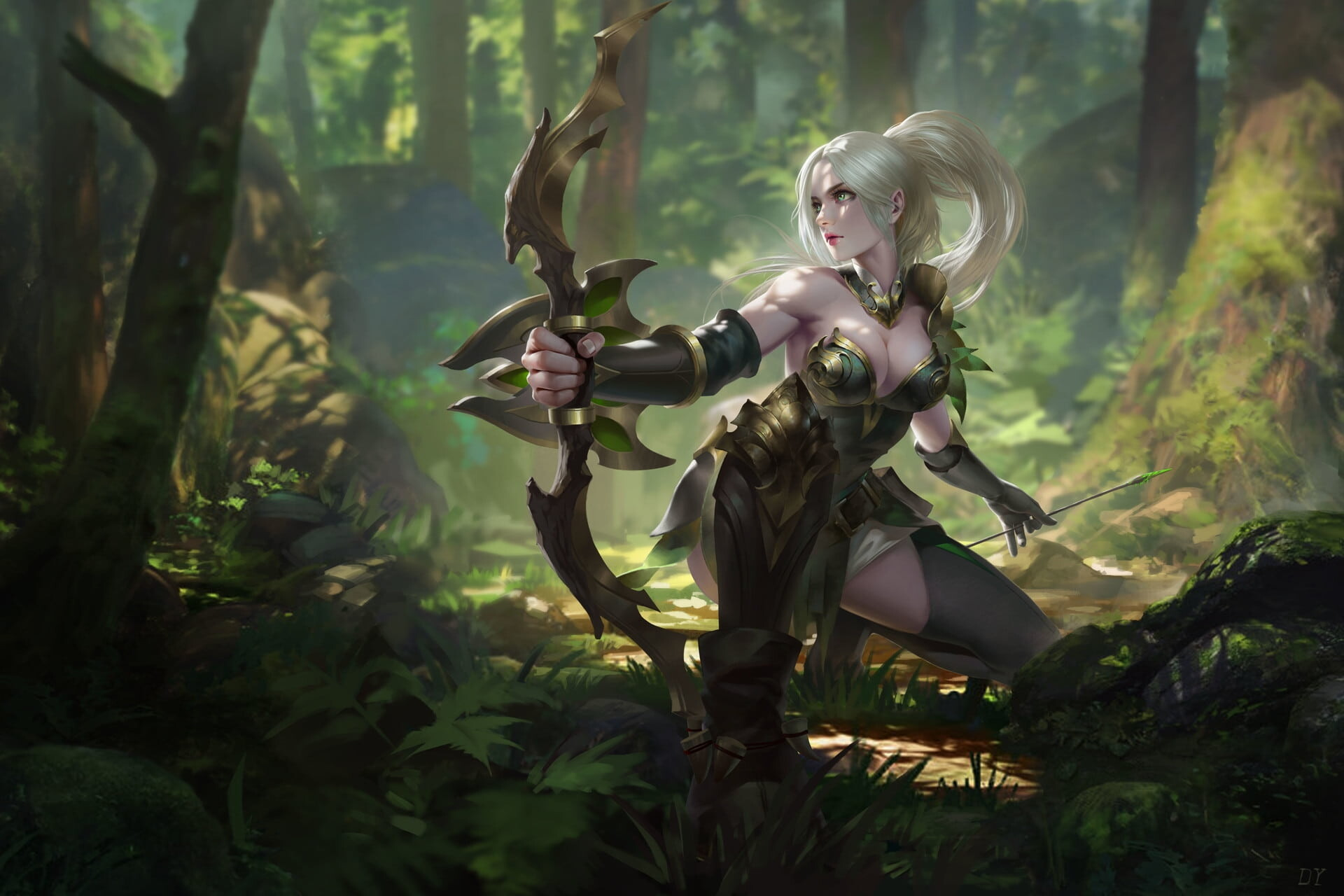
Aion 2 has reached the stage where simply collecting equipment is no longer enough to keep progression moving smoothly. Abyss activities, Sanctuary content, class changes, and seasonal events all compete for the same limited playtime, so resource planning can make a noticeable difference. With Aion 2 Kinah tied into several equipment-related decisions, the smarter approach is to decide what kind of character you are building before spending heavily on every attractive upgrade.
The Abyss is particularly good at exposing weak preparation. A character that performs comfortably in ordinary PvE can encounter completely different problems when positioning, survival, and PvP pressure enter the equation. The September 9 update also changed Abyss progression by adjusting PvE Abyss set effects around gear tiers, while the Abyss Rift Zone received stronger bosses and new seasonal missions. That makes the Abyss less about carrying one universal setup and more about understanding what each part of the build is supposed to accomplish.
For damage-focused characters, one useful habit is to watch the difference between burst and sustained performance. A build may produce impressive numbers during a short opening sequence but lose efficiency when an encounter continues. Another setup might have slightly lower burst while maintaining its damage more reliably. In longer Abyss encounters, the second type of build can sometimes feel considerably better because there are fewer periods where the character is waiting for key skills to return.
The same principle applies to defensive equipment. Defensive stats are easy to undervalue when testing against ordinary enemies because those enemies rarely create enough pressure to reveal the difference. Abyss fights can change that immediately. A character that survives an additional attack may have enough time to complete another rotation, reposition, or escape a dangerous situation. Survival therefore has an offensive side as well: staying alive keeps the character dealing damage.
The updated Rift Zone is another reason to think about preparation rather than blindly following an old setup. Stronger bosses and new seasonal missions mean that the value of equipment can change depending on the activity being targeted. Players who treat every Abyss activity as though it has identical requirements may end up spending heavily on upgrades that do little to solve their actual problem.
Seasonal activities can also be used as a way to reduce pressure on the regular progression loop. The September event lineup includes the Snowfield of Lament first-clear race, a Daeva Look Change Week, and the Flower Bloomed at Night Daeva Pass. The Daeva Pass runs from September 9 to October 6, while the decoration event provides a temporary discount window. These activities are useful reminders that not every valuable reward has to come from repeatedly running the same dungeon.
The first-clear race is obviously aimed at organized groups capable of pushing new content quickly, but the broader lesson is useful even for ordinary players. New content creates temporary demand for preparation. Instead of waiting until the final moment, it is better to identify which part of the character is most likely to become a problem and prepare that part early. A weapon with poor consistency, insufficient accuracy, weak survivability, or an unfinished enhancement path can become much more noticeable when the difficulty rises.
There is also value in building a weekly routine around different types of content. A player who spends an entire session grinding one activity may accumulate plenty of one resource while falling behind elsewhere. A more balanced schedule can combine routine PvE, open-world activities, Abyss objectives, gathering, and limited-time events. This keeps progression moving across several systems rather than allowing one part of the character to become disproportionately developed.
Gathering and open-world activities are especially easy to ignore when chasing high-end gear, yet they can provide useful materials and progression resources. Community documentation of the current systems highlights duties, contracts, monolith activities, gathering, seal dungeons, and open-world cubes as important parts of the broader progression loop. Even if a player prefers combat-heavy gameplay, spending a little time on these systems can help prevent the familiar situation where the character has excellent weapons but lacks the materials needed to finish the rest of the build.
A practical Abyss preparation checklist looks something like this:
-
Decide whether the current setup is aimed at PvE progression, PvP pressure, or a mixture of both.
-
Test sustained damage instead of judging a weapon only from opening burst.
-
Check survivability in the actual content where deaths are happening.
-
Save resources for equipment that solves a clear weakness.
-
Use seasonal events and passes instead of treating regular dungeon grinding as the only progression route.
-
Reassess the build after class balance changes because skill adjustments can alter the value of existing equipment.
-
Keep some resources available for newly introduced equipment systems rather than spending everything immediately.
This is also where U4GM can be useful without becoming the focus of the gameplay itself. Having an affordable and convenient source for Aion 2-related resources can make it easier to prepare for a specific upgrade when the target has already been identified. U4GM's emphasis on safe transactions and relatively cheap options gives players another route for handling resource needs, while the actual value still comes from knowing what to buy and why.
The best gear plan in Aion 2 is rarely the one that spends the fastest. It is the one that leaves the character ready for the next meaningful challenge without draining resources on upgrades that will soon be replaced. Whether the goal is an Abyss push, a harder Sanctuary clear, or simply a smoother daily routine, planning around the content first makes every purchase more meaningful. That is also why cheap Aion 2 Kinah works best when it supports a clearly defined equipment goal instead of becoming another resource that disappears without improving the character.

 Arabic
 French
 Spanish
 Portuguese
 Deutsch
 Turkish
 Dutch
Dutch
 Italiano
 Russian
 Romaian
 Portuguese (Brazil)
 Greek
Greek