
How Industrial Pumps Are Supporting Efficient Water and Wastewater Management Across North America

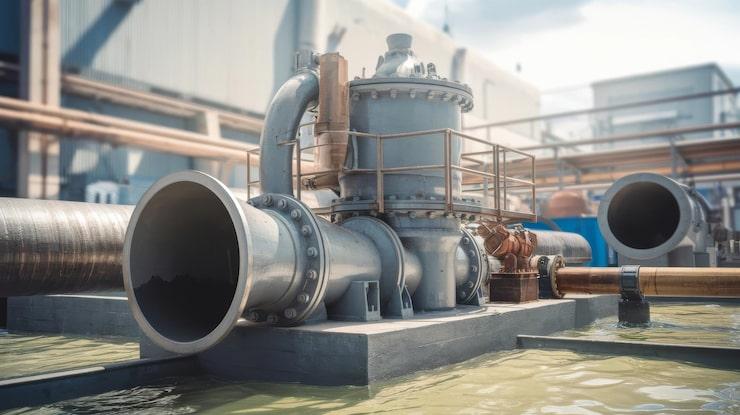
Reliable water and wastewater infrastructure is essential for supporting industrial growth, environmental protection, and sustainable resource management across North America. Industries such as oil and gas, chemicals, power generation, mining, food and beverage, pharmaceuticals, and manufacturing rely heavily on industrial pumps to transport, circulate, and treat water throughout production processes. As investments in water infrastructure modernization and wastewater treatment continue to increase, demand for high-performance industrial pumps is expected to remain steady.
According to a Vyansa Intelligence report, the North America Industrial Water & Wastewater Pump Market was valued at USD 680 Million in 2025 and is projected to reach USD 800 Million by 2032, registering a CAGR of 2.35% during the 2026–2032 forecast period. Increasing focus on water conservation, industrial wastewater treatment, and infrastructure upgrades continues to support long-term market development.
Aging Water Infrastructure Is Driving Equipment Modernization
Much of North America's water and wastewater infrastructure has been in operation for decades, creating the need for modernization to improve efficiency, reliability, and environmental compliance. Industrial pumps play a critical role in transporting water, sludge, chemicals, and wastewater throughout treatment facilities.
According to this industrial water & wastewater pump industry report, centrifugal pumps, submersible pumps, positive displacement pumps, and multistage pumps are widely adopted across municipal and industrial applications because of their reliability, operational efficiency, and ability to handle varying flow requirements. Infrastructure modernization projects continue supporting equipment replacement and system upgrades.
As utilities expand investment in resilient water systems, demand for advanced pumping solutions is expected to remain stable.
Industrial Water Recycling Is Expanding Pump Applications
Industries across North America are increasingly implementing water recycling and reuse strategies to reduce freshwater consumption while meeting environmental regulations. Industrial pumps are essential for transporting wastewater through filtration, treatment, and reuse processes.
Industry analysis indicates that advanced pumping systems support water recovery operations by maintaining efficient fluid movement across membrane filtration, reverse osmosis, biological treatment, and chemical processing systems. These technologies help industries lower water consumption while reducing operational costs and environmental impact.
The U.S. Environmental Protection Agency (EPA) Water Topics highlights the importance of effective water management, wastewater treatment, and resource conservation practices in protecting water resources. Growing emphasis on sustainable water management continues strengthening pump demand across industrial facilities.
Digital Monitoring Is Improving Pump Performance
The integration of digital technologies is transforming pump operation and maintenance across industrial facilities. Smart sensors, Industrial Internet of Things (IIoT) platforms, and cloud-based monitoring systems enable operators to monitor pump performance in real time.
Detailed market insights suggest that predictive maintenance technologies help identify equipment wear, vibration, pressure fluctuations, and energy consumption before failures occur. Real-time performance monitoring reduces unexpected downtime while improving operational efficiency and extending equipment lifespan.
Digitalization is becoming an increasingly important factor in modern water management systems.
Energy Efficiency Is Encouraging Equipment Upgrades
Industrial facilities continue seeking energy-efficient pumping systems to reduce electricity consumption and improve operating performance. Pumps account for a substantial portion of energy usage in water and wastewater treatment operations, making efficiency improvements highly valuable.
The latest market analysis highlights that variable frequency drives (VFDs), high-efficiency motors, optimized hydraulic designs, and intelligent control systems help reduce energy consumption while improving flow control. Modern pumping technologies also lower maintenance requirements and operating expenses over the equipment lifecycle.
Energy-efficient equipment continues attracting investment from both municipal utilities and industrial operators.
Environmental Regulations Are Supporting Market Development
Strict environmental regulations across North America continue encouraging investment in advanced wastewater treatment infrastructure. Industries are required to comply with discharge standards that demand reliable pumping systems capable of supporting efficient treatment processes.
Research findings indicate that industrial pumps play an essential role in wastewater collection, sludge handling, chemical dosing, and treated water distribution. Reliable pumping solutions help facilities maintain regulatory compliance while improving treatment efficiency and minimizing operational risks.
The American Water Works Association (AWWA) Resource Topics provides industry resources focused on water infrastructure, treatment, and sustainable water management practices. Regulatory requirements continue supporting long-term equipment replacement and modernization projects.
Industrial Expansion Is Creating Long-Term Opportunities
Growing industrial activity across sectors including chemicals, mining, pharmaceuticals, food processing, power generation, and manufacturing continues generating demand for advanced water handling systems. Industrial pumps are essential for maintaining process efficiency while supporting safe and reliable operations.
The comprehensive report suggests that increasing investment in industrial facilities, wastewater recycling, desalination, and water infrastructure upgrades will continue creating opportunities for pump manufacturers. Advanced materials, corrosion-resistant components, and intelligent control technologies are also expanding equipment capabilities across demanding industrial environments.
Technological innovation remains central to improving long-term operational performance.
Future Perspective
North America's industrial water and wastewater pump industry is expected to maintain steady growth as infrastructure modernization, industrial water recycling, and environmental sustainability continue shaping investment priorities. Growing adoption of smart pumping technologies, energy-efficient equipment, and digital monitoring systems will further improve operational efficiency across municipal and industrial applications.
The industry outlook indicates that industrial pumps will remain essential for supporting reliable water distribution, wastewater treatment, and sustainable resource management throughout North America. Continued advancements in automation, predictive maintenance, and high-efficiency pumping technologies are expected to create long-term opportunities for equipment manufacturers and water infrastructure operators.

 Arabic
 French
 Spanish
 Portuguese
 Deutsch
 Turkish
 Dutch
Dutch
 Italiano
 Russian
 Romaian
 Portuguese (Brazil)
 Greek
Greek