
Full Stack Development Company in New York: Turning Ideas Into Digital Products

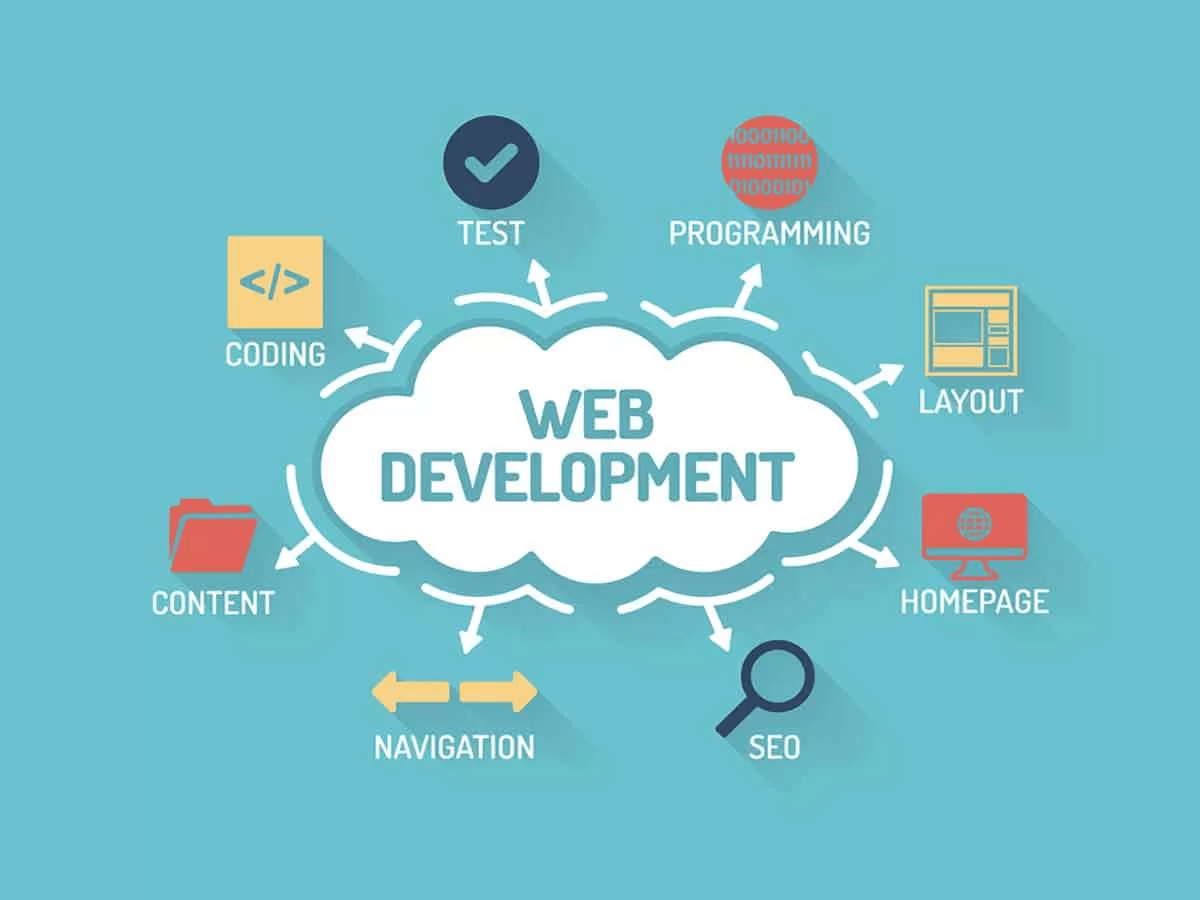
Turning a business idea into a functional digital product requires more than just an attractive interface. A successful website or application needs a strong foundation, reliable functionality, secure data handling, and a smooth user experience. This is where a full stack development company in New York can support businesses throughout the development process, from initial planning to deployment and ongoing improvements.
Full stack development covers both the visible and technical sides of a digital product. Instead of treating the frontend and backend as completely separate areas, full stack developers work across the technology stack to create applications where different components work together effectively.
Understanding Full Stack Development
Full stack development generally involves three major areas: frontend development, backend development, and database management.
The frontend is the part users interact with directly. It includes page layouts, navigation, forms, buttons, animations, and other interface elements. Technologies such as HTML, CSS, JavaScript, and modern frontend frameworks can be used to build responsive and interactive experiences.
The backend operates behind the scenes. It handles application logic, user authentication, APIs, server-side processes, and communication between different systems. Databases store and organize the information required by the application.
A full stack development approach brings these components together to create a connected digital product.
Turning an Idea Into a Functional Product
Every digital product begins with an idea. However, moving from an idea to a working application requires careful planning.
A development team can begin by understanding the business objective, intended users, required features, and technical requirements. These details help define the product structure before development begins.
For example, an ecommerce application may require customer accounts, product management, search functionality, payment integration, order tracking, and an administrative dashboard. Each feature needs to work independently while also connecting correctly with the rest of the application.
Breaking the project into clear stages makes development easier to manage and allows businesses to identify priorities early.
Building the Frontend Experience
The frontend plays an important role in how users interact with a digital product. A well-structured interface should make it easy for users to understand the available features and complete their intended actions.
A full stack development company in New York can create responsive interfaces designed to work across desktops, tablets, and smartphones. Development can also focus on page speed, accessibility, navigation, and consistent design.
The goal is not simply to make an application visually appealing. The interface should support usability and provide a predictable experience across different devices.
Developing the Backend Infrastructure
The backend provides the systems that make an application function.
Depending on the project, backend development may include user authentication, API development, business logic, database operations, content management, payment processing, and integrations with third-party services.
A properly structured backend can also make it easier to maintain and expand the application as requirements change. For example, a business may begin with a limited set of features and later introduce additional services, user roles, integrations, or automation.
Planning the backend with future requirements in mind can reduce the need for significant technical changes later.
Database and API Integration
Modern digital products often depend on multiple systems communicating with one another. Databases store important information, while APIs allow different applications and services to exchange data.
For example, an application might connect with payment providers, email platforms, customer relationship management systems, analytics tools, or external databases.
Full stack development brings these elements into a coordinated technical structure. Developers can design the connections between the frontend, backend, database, and external services so information can move efficiently through the application.
Security and Performance Considerations
Security should be considered throughout the development lifecycle rather than treated as a final step.
Applications may handle customer information, account credentials, transactions, and other sensitive business data. Development teams can implement measures such as secure authentication, authorization controls, input validation, data protection, and appropriate access management.
Performance is another important consideration. Slow-loading pages and inefficient backend processes can affect the user experience. Developers can address performance through optimized code, efficient database queries, caching strategies, image optimization, and appropriate infrastructure.
Testing Before Deployment
Testing helps identify problems before a digital product reaches users.
A development process may include functional testing, usability testing, responsive testing, API testing, security checks, and performance testing. Developers can test individual components as well as the complete application to identify issues that may occur when different systems interact.
Testing across different browsers and devices can also help ensure a consistent experience.
Supporting Growth After Launch
Launching a website or application is not necessarily the end of development. User feedback, business requirements, technology changes, and performance data may create new development needs.
A full stack development company in New York can continue supporting a product through maintenance, updates, bug fixes, feature development, integrations, and technical improvements.
This approach allows businesses to gradually expand their digital products instead of attempting to build every possible feature at the beginning.
Choosing the Right Development Approach
When selecting a development partner, businesses should consider technical capabilities, communication processes, project requirements, development methodology, maintenance options, and experience with similar types of digital products.
It is also useful to establish clear project objectives and technical expectations before development starts. A well-defined scope can help teams manage timelines, priorities, resources, and future requirements more effectively.
Conclusion
Turning an idea into a digital product involves several connected stages, from planning and interface design to backend development, database integration, testing, deployment, and maintenance. Full stack development provides a way to manage these technical layers as part of one connected development process.
For businesses looking to develop or improve a website, web application, or digital platform, working with a full stack development company in New York can provide access to development expertise across both frontend and backend technologies. With thoughtful planning and a scalable technical foundation, an initial idea can develop into a functional digital product that can continue evolving with the business.

 English
 Arabic
 French
 Spanish
 Portuguese
 Deutsch
 Turkish
 Dutch
Dutch
 Russian
 Romaian
 Portuguese (Brazil)
 Greek
Greek