
Critical Incident Monitoring UAV Market Advances in Emergency Response

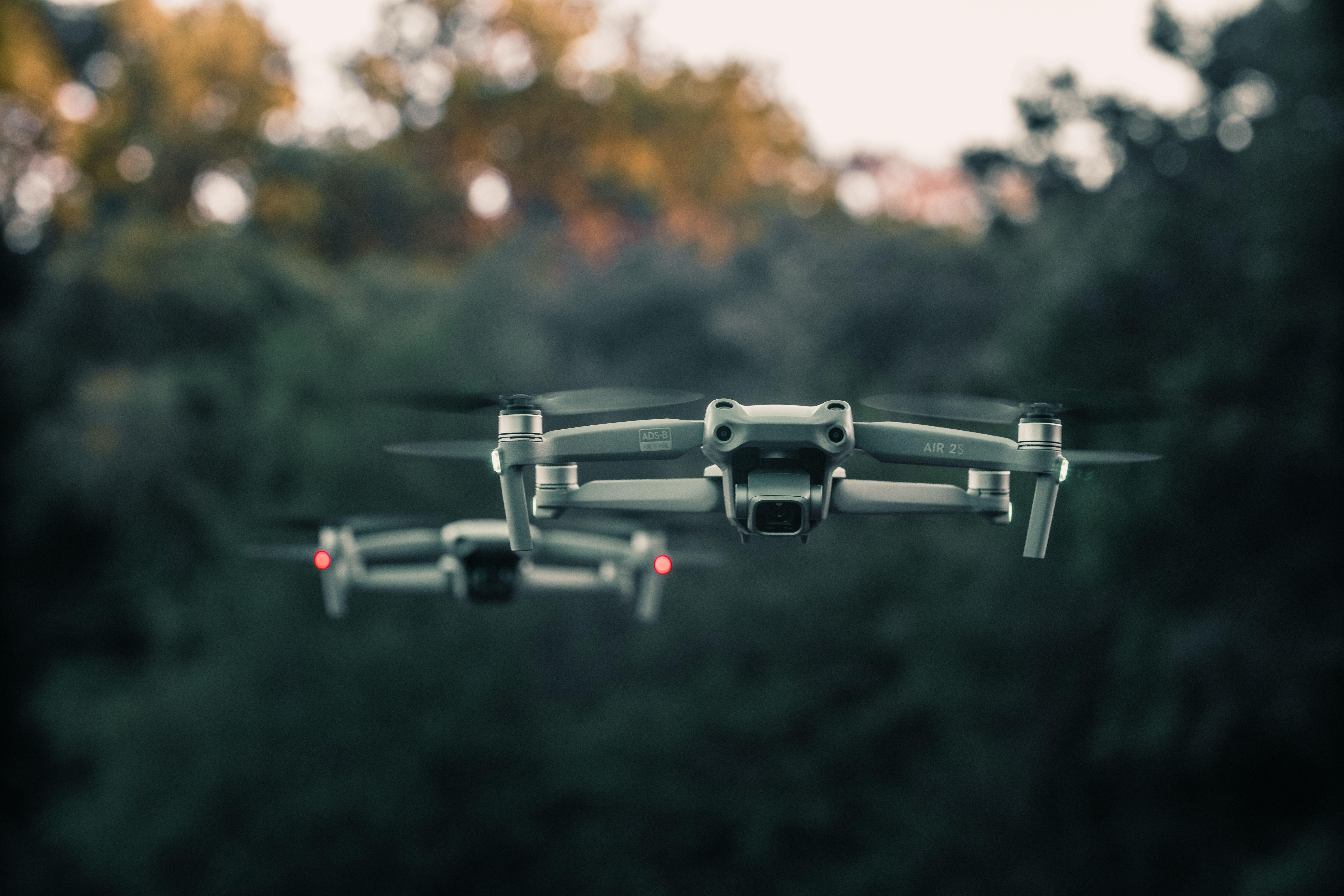
The Critical Incident Monitoring UAV Market is becoming increasingly relevant to emergency response operations that require fast aerial visibility and flexible monitoring capabilities. During an emergency, response teams may need to understand the condition of an area before deciding how to proceed. UAVs can provide an aerial perspective that helps teams observe locations remotely, identify potential obstacles, and maintain awareness as the situation develops. This capability can complement traditional emergency-response methods.
One of the key areas supporting this trend is UAV emergency incident management, where unmanned aircraft are used to support observation and coordination during challenging situations. UAVs can be deployed with different payloads depending on operational requirements. Cameras, thermal imaging systems, communication devices, and specialized sensors can help transform a basic aircraft into a versatile emergency monitoring platform.
Emergency environments can be unpredictable. Roads may be blocked, structures may be unstable, visibility may be poor, and certain locations may be unsafe for immediate human access. In such circumstances, aerial monitoring can provide valuable information before personnel move into the affected area. A UAV can approach a location from above and capture information without requiring an operator to physically enter the environment.
Search and rescue operations are another area where UAV monitoring can provide support. Aerial platforms can cover locations that are difficult to inspect from the ground. Cameras can help identify people, vehicles, structures, or other relevant objects, while thermal systems can provide additional information under challenging visibility conditions. This can help response teams focus their attention on areas that require closer investigation.
UAVs can also support emergency assessment after natural or infrastructure-related incidents. When roads, bridges, buildings, or communication networks are affected, aerial observation can help provide an overview of the situation. Such information can assist teams in identifying damaged areas and determining where resources or personnel may be required.
Another advantage of UAVs is their ability to provide a changing perspective. Fixed surveillance equipment generally observes a specific area, whereas a UAV can move around the incident environment. This mobility allows operators to inspect different locations and adjust their monitoring approach as new information becomes available.
The development of autonomous flight technology is further supporting emergency applications. Automated route planning and navigation assistance can make it easier to operate UAVs in complicated environments. Obstacle detection can help the aircraft respond to physical structures, while stabilization technologies can support image quality during flight.
Communication is also important during emergency operations. UAVs can transmit imagery and other information to remote teams when communication infrastructure permits. This can connect aerial observation with command centers and field personnel, creating a more coordinated approach to incident monitoring.
The role of UAVs can extend beyond the immediate emergency. Recorded imagery and collected information may assist with post-incident assessment, documentation, planning, and operational review. This can make UAVs useful throughout different stages of an incident rather than only during the first response.
As UAV systems become more capable, integration with existing emergency-management platforms is likely to remain important. Organizations may seek solutions that can work with their current communication, mapping, surveillance, and command systems. Interoperability can make aerial monitoring more useful within broader emergency-response workflows.
Regulatory compliance, operator training, airspace management, privacy, and data security are also important aspects of responsible UAV deployment. Effective use requires not only capable hardware but also appropriate procedures, trained personnel, and clear operational policies.
The Critical Incident Monitoring UAV Market reflects the growing role of aerial technology in modern emergency preparedness and response. By combining mobility, remote observation, advanced sensing, and communication capabilities, UAVs can support teams facing situations where speed and situational awareness are essential. Continued innovation in autonomous operation, sensing, and intelligent data analysis can further strengthen the role of UAVs in emergency monitoring.
FAQs
Q1. How are UAVs used during emergency response?
UAVs can provide aerial observation, collect imagery, monitor affected areas, support search activities, and help response teams understand conditions before or during field operations.
Q2. Can UAVs support post-emergency activities?
Yes. UAV imagery and collected information can assist with damage assessment, documentation, operational review, and planning after an incident.

 Arabic
 French
 Spanish
 Portuguese
 Deutsch
 Turkish
 Dutch
Dutch
 Italiano
 Russian
 Romaian
 Portuguese (Brazil)
 Greek
Greek