
What Can an Eye Exam in Hamilton Reveal About Your Eye Health?

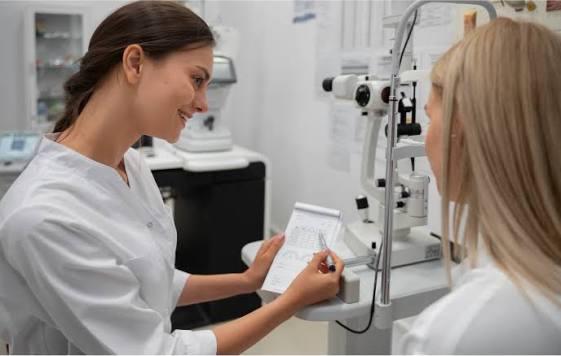
Your eyes can provide valuable clues about your vision and overall ocular health. Changes such as blurred sight, frequent headaches, eye fatigue, or difficulty seeing at night may seem minor, but they can sometimes indicate an underlying issue. Eye Exams in Hamilton are becoming an increasingly important part of routine healthcare because they do more than determine whether someone needs glasses. A thorough assessment can evaluate visual function, examine the structures of the eyes, and identify changes that may require professional attention.
At Krystal Vision Optical, eye care focuses on helping patients understand their vision while supporting long-term eye health. Regular assessments can be useful for people of different ages, including those who currently have no noticeable vision problems.
More Than Just Checking Your Vision
An eye examination is a comprehensive assessment of how well you see and how healthy your eyes appear. While reading letters from an eye chart is one familiar part of the process, a complete examination can involve several additional evaluations.
An eye care professional may assess:
- Visual sharpness and focusing ability
- Eye coordination and movement
- Near and distance vision
- Peripheral vision
- Eye pressure
- The condition of the retina and optic nerve
- The health of the cornea and other visible structures
These evaluations provide a broader picture than a basic vision screening.
What Your Eyes May Tell an Eye Care Professional
One of the most valuable aspects of a comprehensive examination is that it can identify changes before they significantly affect everyday activities.
Refractive Changes
Nearsightedness, farsightedness, astigmatism, and age-related focusing changes can affect how clearly objects appear. An updated prescription may help improve visual comfort and everyday clarity.
Signs of Eye Conditions
A detailed assessment may help detect signs associated with conditions such as cataracts, glaucoma, retinal changes, or other ocular concerns. Early identification does not always mean a condition is present, but unusual findings can indicate the need for further evaluation.
Changes Linked to General Health
The eyes contain blood vessels and delicate tissues that can sometimes show changes associated with certain systemic health conditions. Depending on the findings and the patient's medical history, an eye care professional may recommend discussing concerns with another healthcare provider.
Who Should Consider Regular Eye Assessments?
Routine vision care is not limited to people who wear spectacles or contact lenses. Children may benefit from assessments as their visual systems develop, while adults often require monitoring as their vision and focusing ability change with age.
People who spend long periods using computers or mobile devices may also benefit from professional advice about visual comfort and screen-related eye strain.
Those with a family history of certain eye conditions, existing vision concerns, diabetes, or other risk factors may need assessments according to individualized professional recommendations.
What Happens During the Appointment?
A typical visit begins with questions about your vision, symptoms, medical history, medications, and current eyewear. The practitioner may then perform a series of tests to evaluate visual acuity, focusing, eye movement, and other aspects of vision.
Depending on your age, symptoms, and risk factors, additional examinations may be performed to assess internal eye structures. Some appointments may also involve discussing lifestyle habits, contact lens use, workplace demands, or changes noticed since your previous visit.
The exact tests can vary from person to person because quality eye care should be based on individual needs rather than a one-size-fits-all approach.
Modern Approaches to Vision Assessment
Today's eye care can involve a combination of traditional clinical evaluations and modern diagnostic technology. Digital imaging and other examination techniques can provide additional information about ocular structures when clinically appropriate.
The goal is not to perform unnecessary tests but to select suitable methods based on the patient's age, symptoms, history, and professional assessment. This approach can make the examination more informative while keeping patient needs at the center of care.
Preparing for a Better Eye Care Visit
A little preparation can make your appointment more useful. Bring your current glasses or contact lenses and be prepared to discuss any recent changes in your vision.
It can also help to mention:
- Headaches or visual discomfort
- Difficulty reading or driving
- Increased sensitivity to light
- Changes in night vision
- Eye dryness or irritation
- Family history of eye conditions
- Relevant medications or health concerns
After the examination, follow the advice provided by your eye care professional. If a new prescription is recommended, use it as directed and return for follow-up care when advised.
Why Choose Krystal Vision Optical?
Choosing an eye care provider is about more than obtaining a prescription. Krystal Vision Optical aims to provide a professional and patient-focused experience where individual visual needs are carefully considered.
Patients can benefit from experienced eye care professionals, modern examination technology, personalized recommendations, and attention to safety throughout the assessment process. Rather than treating every patient in exactly the same way, the approach can be tailored to factors such as age, lifestyle, visual demands, and existing concerns.
Clear communication is also an important part of quality care. Understanding what an examination involves and why certain tests may be recommended can help patients make informed decisions about their vision.
Make Eye Health Part of Your Routine
Good vision should not be the only reason to schedule an eye examination. Regular professional assessments can help monitor changes in eyesight, identify potential concerns, and provide guidance based on your individual needs.
If you have noticed a change in your vision or simply want to stay proactive about your eye health, consider arranging an appointment with Krystal Vision Optical. A professional assessment can provide useful insight into your current visual needs and help you take the next step toward informed, ongoing eye care.
Frequently Asked Questions
How often should I have my eyes examined?
The appropriate interval depends on factors such as age, health history, symptoms, family history, and existing eye conditions. Your eye care professional can recommend a schedule suited to you.
Can an eye examination detect problems before symptoms appear?
Some eye conditions may develop with few noticeable symptoms in their early stages. Regular examinations can help monitor for changes that may otherwise go unnoticed.
Do I need an assessment if I can see clearly?
Yes. Good vision does not necessarily mean that the eyes are completely free from health concerns. A comprehensive assessment evaluates more than visual sharpness.
Can screen use affect my eyes?
Extended screen use may contribute to symptoms such as dryness, temporary blurred vision, or visual fatigue. An eye care professional can provide practical advice based on your symptoms and daily routine.
Should children have their vision checked?
Children can benefit from age-appropriate vision assessments because clear and comfortable vision plays an important role in learning, development, and everyday activities.

 Arabic
 French
 Spanish
 Portuguese
 Deutsch
 Turkish
 Dutch
Dutch
 Italiano
 Russian
 Romaian
 Portuguese (Brazil)
 Greek
Greek