
Polycystic Ovary Syndrome Treatment In Dubai: Solutions for Women Health

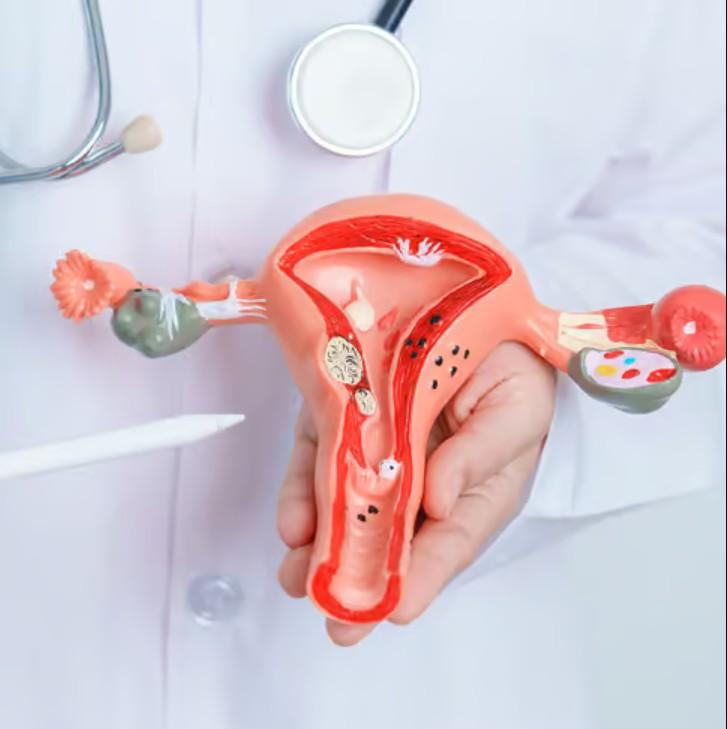
Polycystic ovary syndrome (PCOS) is a common hormonal condition that can affect menstrual cycles, skin health, metabolism, and reproductive health. Every woman's experience with PCOS is different. Some may notice irregular periods or persistent acne, while others may experience unwanted facial hair, changes in weight, or difficulties with ovulation.
With appropriate medical guidance and an individualized care plan, many PCOS-related symptoms can be managed effectively. Modern approaches focus on understanding the underlying hormonal changes, addressing specific symptoms, and supporting long-term health rather than relying on a single treatment for every patient.
For women exploring Polycystic Ovary Syndrome Treatment In Dubai, understanding the available treatment options and the importance of personalized care is an important first step. EV Clinic Dubai can be a point of contact for discussing women's health concerns, understanding available services, and learning about appropriate next steps with a qualified healthcare professional.
What Is Polycystic Ovary Syndrome?
Understanding PCOS
Polycystic ovary syndrome is a hormonal and metabolic condition that can affect how the ovaries function. It is commonly associated with elevated androgen levels or signs of increased androgen activity, irregular ovulation, and characteristic ovarian findings on ultrasound.
Despite its name, not everyone with PCOS has multiple ovarian cysts. The condition can be present even when an ultrasound does not show the appearance commonly associated with polycystic ovaries.
PCOS can develop during the reproductive years and may affect women in different ways. Its symptoms and severity vary, making an individualized medical assessment essential.
How Hormonal Changes Affect the Body
Hormones help regulate the menstrual cycle, ovulation, metabolism, and several other bodily functions. In women with PCOS, changes in androgen levels and insulin sensitivity may contribute to various symptoms.
Insulin resistance can occur in some individuals with PCOS. When the body does not respond efficiently to insulin, the pancreas may produce more of this hormone to help regulate blood glucose. This process can interact with ovarian hormone production and contribute to the features of PCOS.
Understanding these mechanisms helps healthcare professionals select treatment strategies based on each woman's symptoms, health history, and personal goals.
Common Signs and Symptoms of PCOS
Irregular Menstrual Cycles
One of the most common features of PCOS is an irregular menstrual cycle. Some women experience fewer periods than expected, while others have unpredictable intervals between menstrual bleeding.
These changes may occur because ovulation does not happen regularly. Identifying menstrual patterns can help a healthcare professional assess hormonal health and determine whether further evaluation is needed.
Acne and Changes in Skin Health
Elevated androgen activity may contribute to increased oil production and persistent acne. Breakouts can appear on the face, jawline, chest, or back.
Treatment may involve a combination of appropriate skincare, prescribed medication, and hormonal management, depending on the individual's symptoms and medical history.
Unwanted Facial or Body Hair
Some women with PCOS develop thicker or darker hair on the face, chin, chest, or abdomen. This symptom, known as hirsutism, can be associated with increased androgen activity.
Treatment options may include appropriate medication and cosmetic hair-reduction procedures. The most suitable approach depends on symptom severity, individual preferences, and the underlying hormonal pattern.
Changes in Weight and Metabolic Health
Some women with PCOS experience weight gain or find weight management challenging. Others maintain a stable weight and still experience hormonal symptoms or insulin resistance.
PCOS is not simply a weight-related condition. Treatment should account for the individual's metabolic health, lifestyle, symptoms, and overall well-being rather than relying on weight alone.
Difficulty With Ovulation and Fertility
PCOS can interfere with regular ovulation, which may make conception more difficult for some women. However, many women with PCOS can become pregnant, either naturally or with appropriate fertility support.
For women who want to conceive, treatment focuses on identifying the cause of ovulatory difficulties and selecting appropriate options based on their reproductive goals.
Why Early PCOS Assessment Matters
Understanding Individual Symptoms
PCOS can present differently from one woman to another. A person with irregular periods may need a different management plan from someone whose primary concerns are acne, unwanted hair growth, or fertility.
A detailed assessment helps establish which symptoms are associated with PCOS and whether another condition could be contributing to them.
Supporting Menstrual and Hormonal Health
Prolonged gaps between periods can sometimes indicate that the uterine lining is not shedding regularly. Depending on the circumstances, a healthcare professional may recommend treatment to protect the uterine lining and establish a suitable menstrual management plan.
The choice of treatment depends on the individual's health history, symptoms, and reproductive plans.
Monitoring Long-Term Health
PCOS is also associated with an increased likelihood of certain metabolic concerns, including insulin resistance, abnormal blood glucose levels, and changes in cholesterol.
Appropriate monitoring can help identify these issues and guide preventive care. A comprehensive plan considers both current symptoms and long-term health needs.
<WritingBlock id="73164" variant="document">## How Is Polycystic Ovary Syndrome Diagnosed?
Medical History and Symptom Review
Diagnosing PCOS usually begins with a detailed review of menstrual patterns, skin changes, hair growth, reproductive goals, and relevant medical history.
The healthcare professional may ask when symptoms began, how frequently periods occur, and whether there have been changes in weight or other aspects of health. This information helps guide the assessment and identify the most appropriate investigations.
Hormone and Blood Tests
Blood tests may be recommended to assess androgen levels and evaluate other possible causes of irregular periods or related symptoms. Depending on the individual's circumstances, testing may also include blood glucose, cholesterol, and other relevant health markers.
Thyroid disorders, elevated prolactin, and certain other conditions can produce symptoms similar to PCOS. Appropriate testing helps distinguish these conditions and supports a more accurate diagnosis.
Ultrasound and Other Investigations
A pelvic ultrasound may be used to assess ovarian appearance when clinically appropriate. However, an ultrasound is not always necessary to diagnose PCOS in adults when the other diagnostic criteria are already established.
The diagnostic approach differs according to age and individual circumstances. A qualified healthcare professional should interpret the findings alongside symptoms and laboratory results rather than relying on a single test.
Modern Treatment Options for Polycystic Ovary Syndrome
Lifestyle and Nutritional Support
Lifestyle management is an important part of PCOS care. A balanced eating pattern, regular physical activity, sufficient sleep, and sustainable daily habits can support metabolic health and overall well-being.
There is no single diet or exercise programme that is best for every woman with PCOS. A suitable approach should reflect personal preferences, nutritional needs, activity levels, and any existing health conditions.
For women who want support with weight management, a healthcare professional can help establish realistic goals without making body weight the sole measure of progress.
Hormonal Medication for Menstrual Regulation
Combined oral contraceptive pills may be prescribed to help regulate menstrual bleeding and manage certain symptoms associated with increased androgen activity, including acne and unwanted hair growth.
The choice of medication depends on medical history, contraceptive preferences, individual symptoms, and reproductive plans. Other hormonal options may be considered when combined contraceptive pills are unsuitable.
A healthcare professional can explain the available choices and help determine which option best fits the patient's needs.
Metformin for Metabolic Health
Metformin is a medication that may be recommended for selected women with PCOS, particularly when metabolic concerns such as insulin resistance or elevated blood glucose are relevant.
It can support aspects of glucose regulation and may help improve certain metabolic outcomes. Its role depends on the individual's clinical profile, and it is not a universal treatment for every PCOS symptom.
Medication decisions should be based on a professional assessment and appropriate monitoring.
Treatment for Acne and Unwanted Hair Growth
Acne and unwanted hair growth can have a considerable effect on confidence and daily comfort. Treatment options may include prescribed hormonal medication, topical acne treatments, and suitable cosmetic procedures.
Laser hair reduction may help reduce unwanted hair for some individuals. The number of sessions and degree of improvement depend on hair characteristics, skin type, the technology used, and hormonal factors.
A tailored approach can address these concerns while also considering the underlying hormonal condition.
Fertility Support and Ovulation Treatment
For women who wish to become pregnant, PCOS treatment may focus on improving ovulation and supporting conception.
Letrozole is generally recommended as the first-line medication for ovulation induction in women with PCOS-related anovulatory infertility when no other infertility factor has been identified. Other medications and fertility treatments may be considered according to individual circumstances and response.
A fertility specialist can assess ovulation, review other relevant fertility factors, and explain the options available for achieving pregnancy.
Managing PCOS for Long-Term Women's Health
Monitoring Blood Glucose and Cholesterol
PCOS can be associated with metabolic changes that may affect long-term health. Appropriate monitoring of blood glucose and lipid levels can help identify concerns early and guide preventive care.
The timing and type of testing depend on individual risk factors, previous results, and the healthcare professional's recommendations.
Maintaining Menstrual Health
Regular follow-up is important for women who experience infrequent or absent periods. Depending on the circumstances, treatment may be recommended to regulate bleeding and protect the uterine lining.
A personalized plan can help address menstrual symptoms while accounting for contraceptive preferences and future pregnancy plans.
Supporting Emotional Well-Being
Living with persistent acne, unwanted hair growth, fertility concerns, or unpredictable menstrual cycles can affect emotional well-being and quality of life.
Women should feel comfortable discussing these concerns during their appointments. Supportive care may include practical symptom management, counseling, and other appropriate resources when needed.
Planning Care Around Different Life Stages
PCOS management may change as a woman's priorities evolve. Someone who wants to regulate menstrual cycles may need a different approach from someone preparing for pregnancy or managing metabolic health.
Regular reviews help ensure that treatment remains appropriate as symptoms, preferences, and health needs change.
Factors That Influence Polycystic Ovary Syndrome Treatment Cost In Dubai
Type of Treatment Required
The Polycystic Ovary Syndrome Treatment Cost In Dubai depends on the type of care required. Some patients may primarily need consultations and monitoring, while others may require medication, laboratory investigations, imaging, or specialist fertility services.
The total cost therefore varies according to the individual's symptoms and treatment plan.
Diagnostic Tests and Investigations
Blood tests and other investigations may contribute to the overall cost of PCOS care. The number and type of tests depend on the diagnostic assessment and the health concerns being evaluated.
Some patients may need additional testing to investigate alternative explanations for their symptoms or monitor metabolic health.
Medication and Follow-Up Appointments
The cost of medication depends on the prescribed treatment, the duration of use, and the patient's individual needs. Follow-up appointments may also be required to review progress, assess symptoms, and adjust the treatment plan.
Long-term management costs can differ from the initial assessment costs, so it is helpful to discuss both when planning care.
Fertility-Related Treatment
Women seeking pregnancy may need additional consultations, ovulation monitoring, or fertility treatment. These services can change the overall cost considerably compared with treatment focused only on menstrual regulation or acne management.
A personalized estimate should identify which services are included and which may be charged separately.
How to Obtain an Accurate Cost Estimate
To understand the Polycystic Ovary Syndrome Treatment Cost In Dubai, request an itemized estimate based on the recommended treatment plan.
At EV Clinic Dubai, prospective patients can ask about consultation fees, diagnostic investigations, medication costs where applicable, follow-up appointments, and any additional services included in their care.
Comparing these details can help patients understand the expected expense and plan their care more effectively. The most appropriate treatment should be selected according to medical needs and professional guidance rather than price alone.
How to Prepare for a PCOS Consultation
Keep a Record of Your Menstrual Cycle
Recording the dates of menstrual periods and noting any changes can provide useful information during the consultation. If periods are irregular, tracking their frequency can help the healthcare professional understand the pattern.
It may also be helpful to record other symptoms, such as acne, changes in hair growth, or difficulties with ovulation.
Bring Relevant Medical Information
Previous laboratory results, ultrasound reports, medication lists, and details of earlier treatment can help inform the assessment.
If you have been diagnosed with PCOS previously, sharing information about what has or has not worked can support a more tailored treatment discussion.
Discuss Your Personal Goals
PCOS treatment should reflect what matters most to the individual. Some women prioritize menstrual regulation, while others want help with skin symptoms, metabolic health, or fertility.
Explaining these goals helps the healthcare professional develop a plan that addresses the most important concerns first.
Ask Questions About Your Treatment Plan
Before starting treatment, ask what each recommended medication or investigation is intended to achieve, how progress will be evaluated, and when follow-up is appropriate.
Understanding the purpose of each step makes it easier to participate in decisions about ongoing care.
Why Consider EV Clinic Dubai for Women's Health Guidance?
Managing PCOS begins with understanding individual symptoms and identifying the appropriate next steps. Clear information, an individualized assessment, and a treatment plan based on established medical guidance can help women navigate their options.
At EV Clinic Dubai, women interested in PCOS-related care can inquire about available services, discuss their concerns, and seek information about suitable consultation options.
Because PCOS can involve reproductive, hormonal, and metabolic concerns, patients should clarify which services are available and whether referral to a gynecologist, endocrinologist, or fertility specialist is appropriate for their needs.
Frequently Asked Questions About Polycystic Ovary Syndrome Treatment In Dubai
Can PCOS Be Cured Completely?
PCOS is a long-term hormonal condition, and there is currently no single treatment that permanently eliminates it. However, symptoms can often be managed with appropriate medication, lifestyle support, and individualized medical care.
What Is the Best Treatment for PCOS?
There is no single best treatment for everyone. The appropriate approach depends on the symptoms, metabolic health, menstrual patterns, and reproductive goals of the individual.
Treatment may include lifestyle support, hormonal medication, metabolic management, or fertility care when needed.
Can Women With PCOS Become Pregnant?
Yes. Many women with PCOS can become pregnant naturally or with fertility support. When ovulation is irregular, a healthcare professional can recommend appropriate investigations and treatment options based on individual circumstances.
Does PCOS Always Cause Weight Gain?
No. PCOS can affect women of different body sizes, and weight gain is not a requirement for diagnosis. Treatment should address the individual's symptoms and overall health rather than relying on weight as the only indicator.
How Long Does PCOS Treatment Take to Work?
The timeline depends on the treatment and the symptom being addressed. Menstrual changes, acne, unwanted hair growth, and metabolic markers may respond at different rates. Regular follow-up helps assess progress and determine whether adjustments are needed.
How Much Does Polycystic Ovary Syndrome Treatment Cost In Dubai?
The Polycystic Ovary Syndrome Treatment Cost In Dubai varies according to consultations, diagnostic tests, medication, follow-up care, and any fertility-related services. An itemized estimate based on the individual's needs provides the clearest understanding of the total cost.
Is Medication Always Necessary for PCOS?
Not every woman requires the same treatment. Lifestyle support may be an important part of care, while medication may be recommended for menstrual irregularity, acne, metabolic concerns, or fertility-related needs. Decisions should be made with a qualified healthcare professional.
When Should I Seek a PCOS Assessment?
Consider arranging a medical assessment if you experience persistently irregular periods, excessive facial hair, ongoing acne alongside other hormonal symptoms, or difficulties with ovulation. A professional evaluation can help identify the cause and determine the appropriate next steps.
Conclusion
Polycystic ovary syndrome can affect several aspects of women's health, from menstrual regularity and skin appearance to metabolism and fertility. Modern management focuses on understanding these different concerns and selecting treatments that reflect each woman's individual needs.
For women considering Polycystic Ovary Syndrome Treatment In Dubai, a comprehensive assessment can help clarify the diagnosis, identify relevant health priorities, and establish a suitable treatment plan. With appropriate medical guidance and ongoing follow-up, many PCOS-related symptoms can be managed as part of long-term health care.
To learn more about available services and the Polycystic Ovary Syndrome Treatment Cost In Dubai, contact EV Clinic Dubai to ask about consultation options, diagnostic requirements, and personalized care planning.

 Arabic
 French
 Spanish
 Portuguese
 Deutsch
 Turkish
 Dutch
 Italiano
 Russian
 Romaian
 Portuguese (Brazil)
 Greek